KathmanduKitchen & BarNepali & Indian Restaurant, Catering & Private Events in Storrs, CT
Dinner, catering, and private event hosting for UConn student organizations, campus groups, and private parties in Storrs.
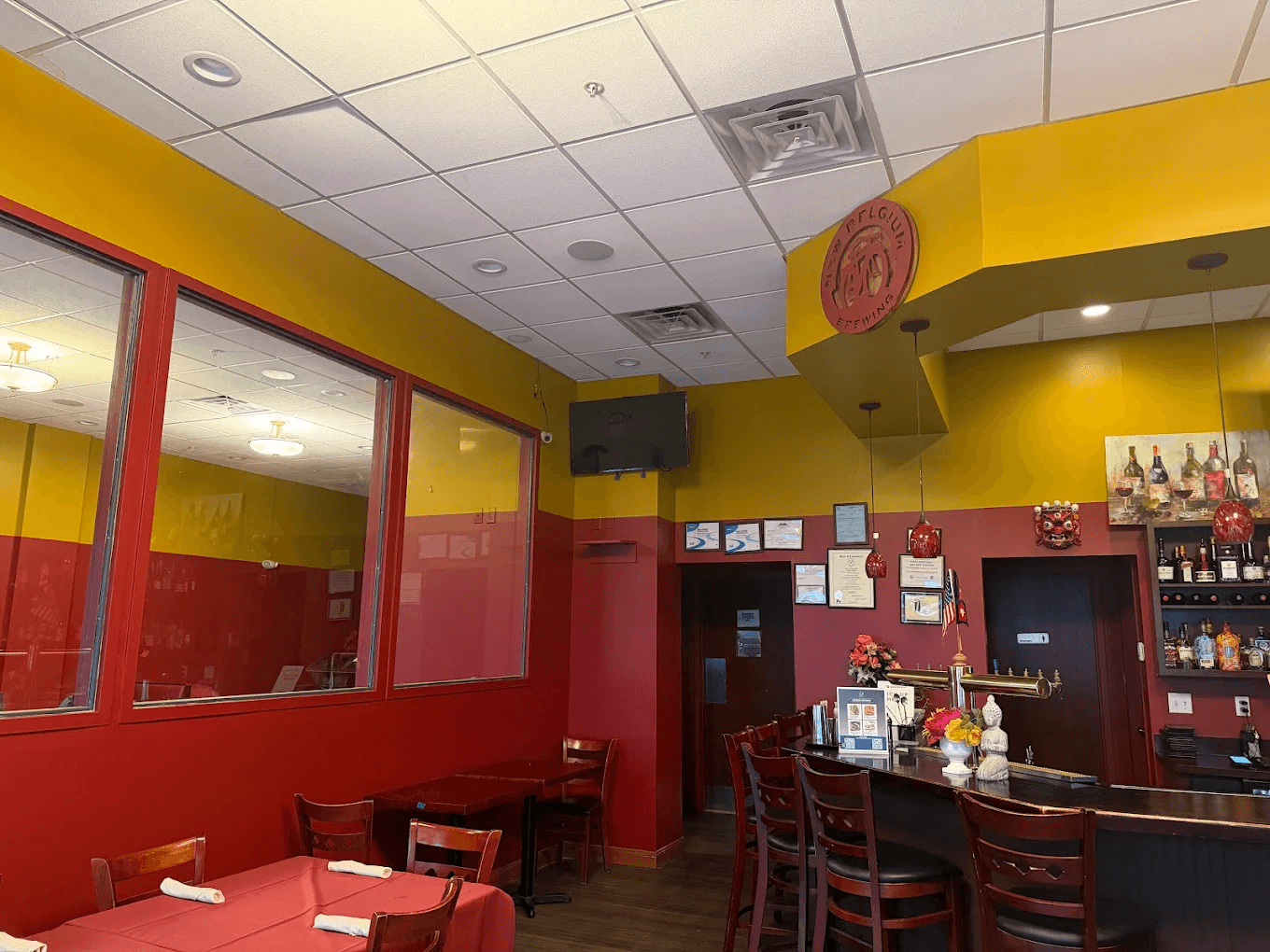
Our Story, Our Passion
Nepali · Halal · Storrs, CT
From the heart
of Kathmandu
Kathmandu Kitchen & Bar was born from a deep love for Nepali cuisine and a desire to share the rich culinary traditions of Nepal with the world. Our founder drew inspiration from Kathmandu’s vibrant food culture to introduce authentic flavors to the community here in Storrs.
Every dish we serve tells a story — from the traditional momos handcrafted daily, to the aromatic curries that warm the soul. We source premium ingredients and prepare every meal with the same care you’d find in a Nepali home kitchen.
Today, we continue to honor these traditions while creating a welcoming space where friends and family can gather to enjoy exceptional food and create lasting memories.
Storrs, CT 06268
Meet Our Team
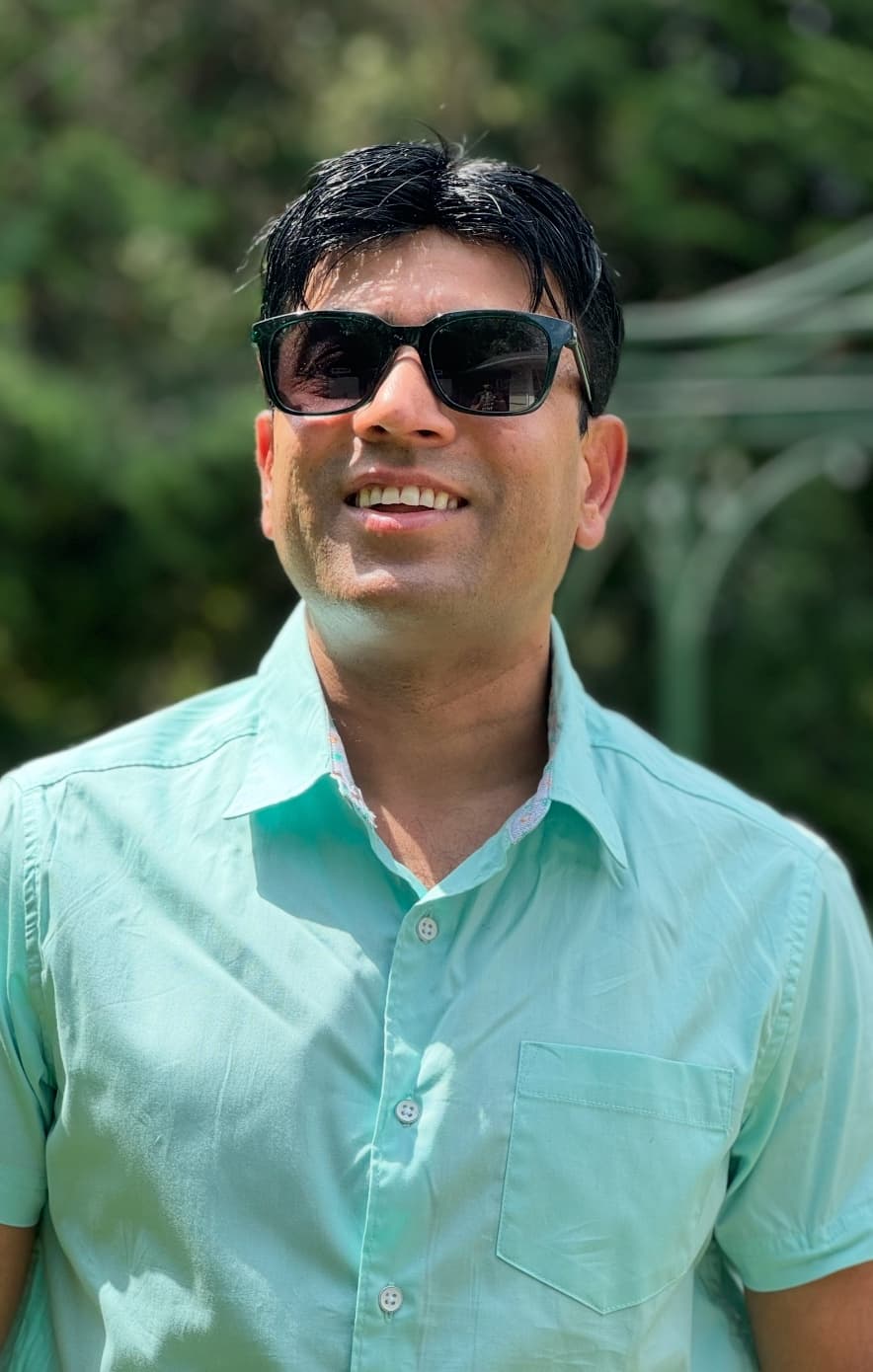
Krishna Rimal
Chef Krishna brings over 20 years of culinary experience, having trained in traditional Nepali kitchens and worked in renowned restaurants across the region. His mastery of spice blending keeps every dish authentically rooted.
His Dum Biryani was perfected at Nizam — layered, sealed, slow-cooked. You cannot rush greatness.
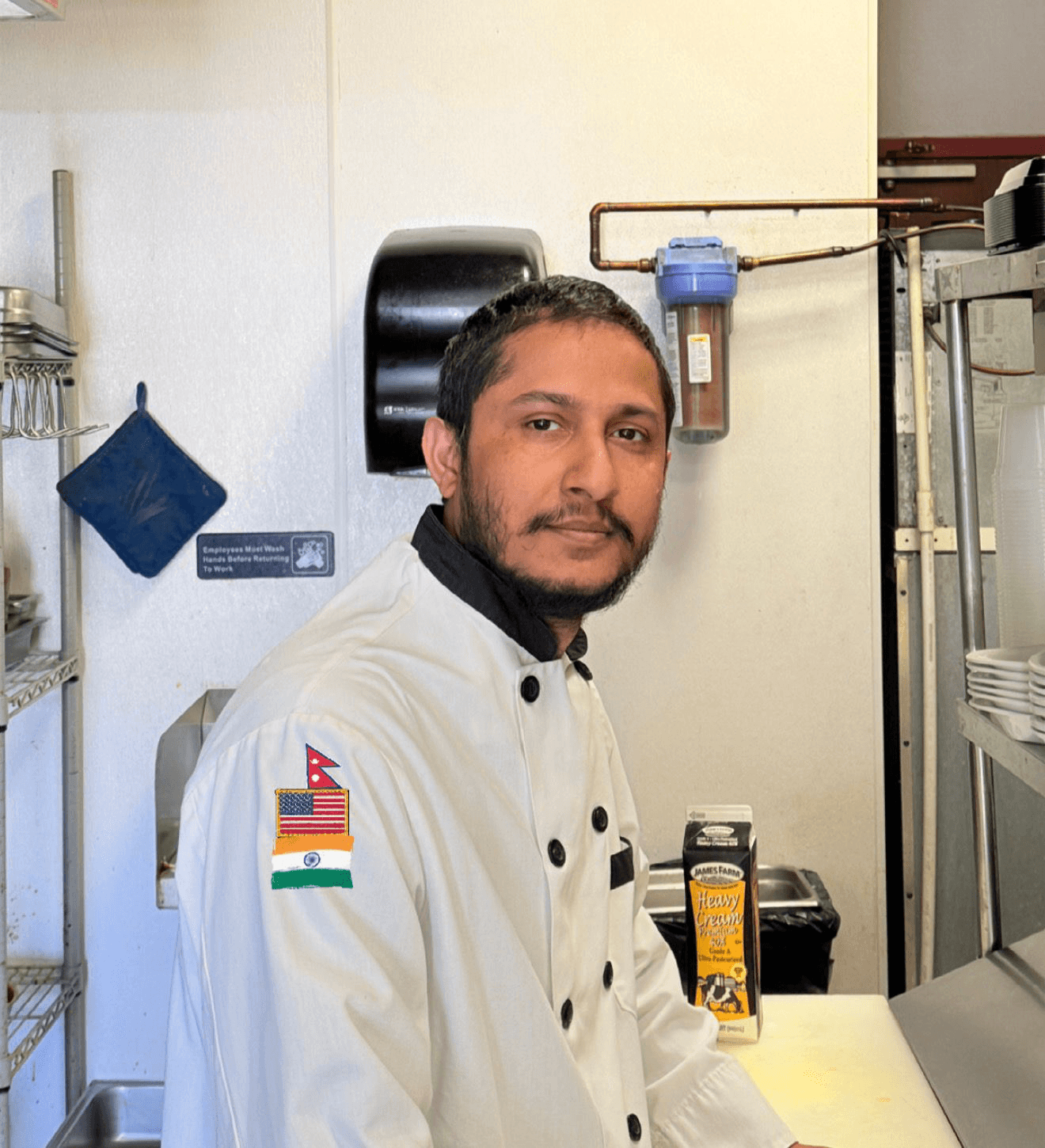
Bishnu Acharya
Chef Acharya brings extraordinary range to the Kathmandu Kitchen table — a deep command of Nepali and Indian cuisine forged alongside a rare expertise in Japanese craft, having trained as both a sushi and ramen chef.
Formerly Executive Chef at Kalibuon, he now leads our kitchen with the same philosophy: every cuisine deserves the same reverence. Precision, patience, and passion — in every plate.
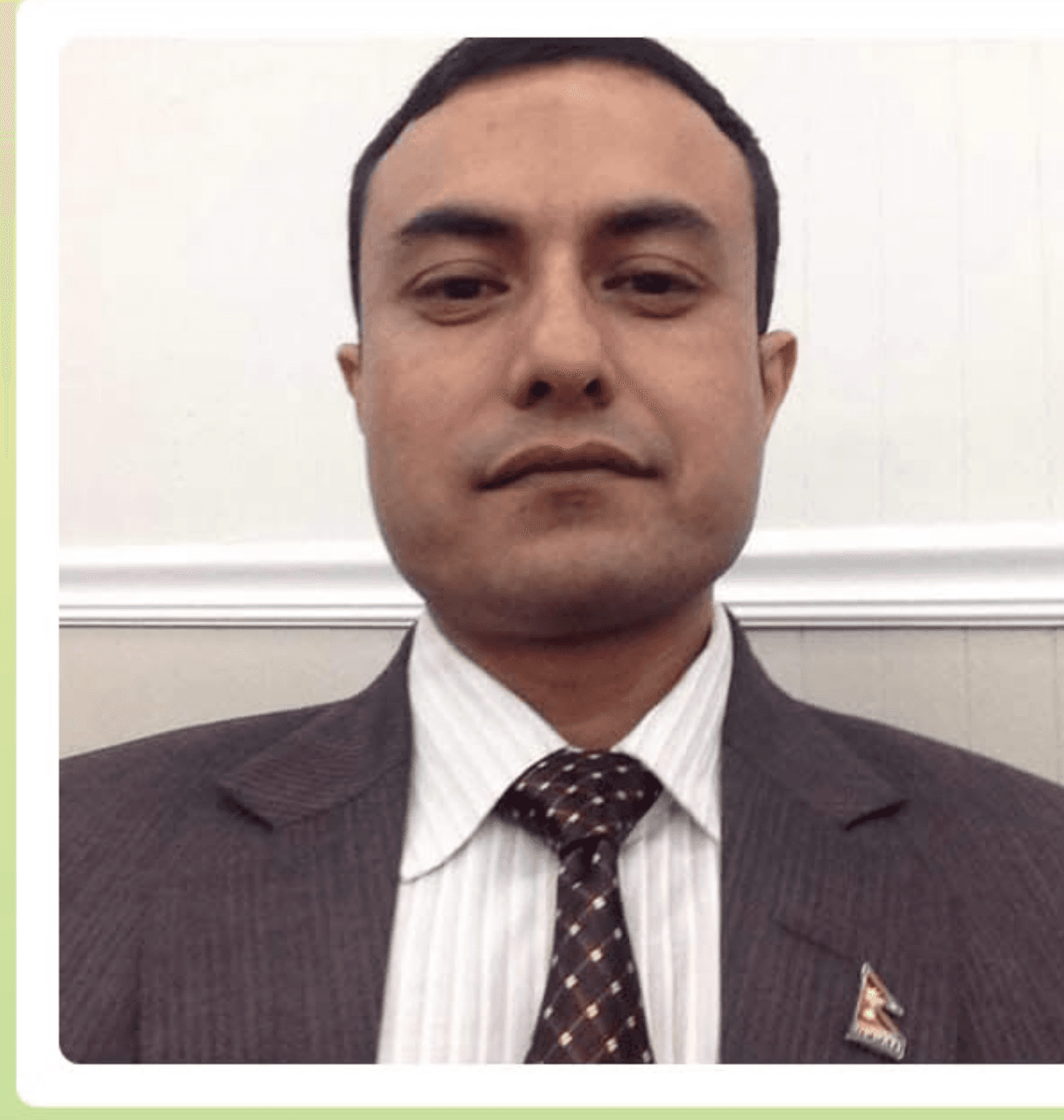
Raghu Girree
Raghu brings a rare breadth of expertise to every event he orchestrates — a career spanning hospitality management and healthcare management that has sharpened his instinct for precision, care, and seamless execution.
Whether it’s an intimate gathering or a grand celebration, Raghu ensures every detail is handled with warmth and professionalism — bringing the full spirit of Kathmandu Kitchen to your occasion.
Our Values
The principles that guide everything we do
Authenticity
We stay true to traditional recipes and cooking methods passed down through generations.
Quality
Only the finest ingredients make it to your plate. All goat, lamb, and chicken is Halal.
Community
We build connections through shared meals and experiences at our table.
Sustainability
We source responsibly and minimize our environmental impact in every decision.
Gallery
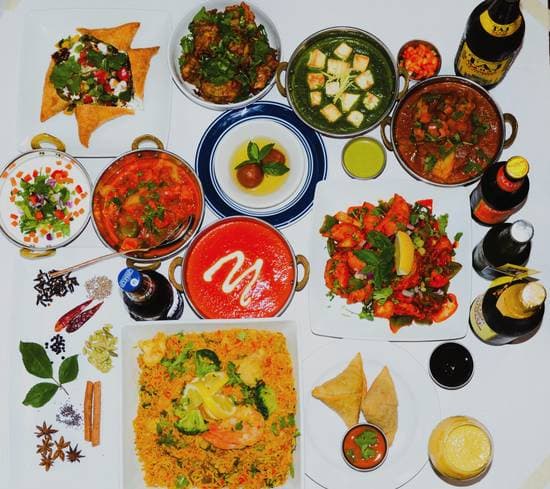
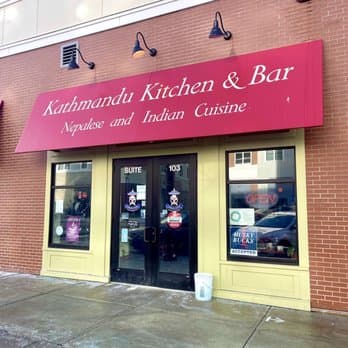
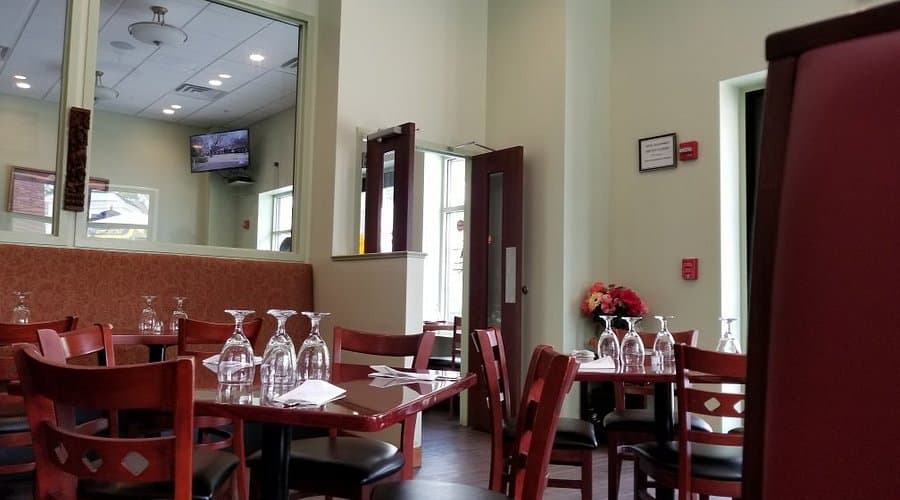
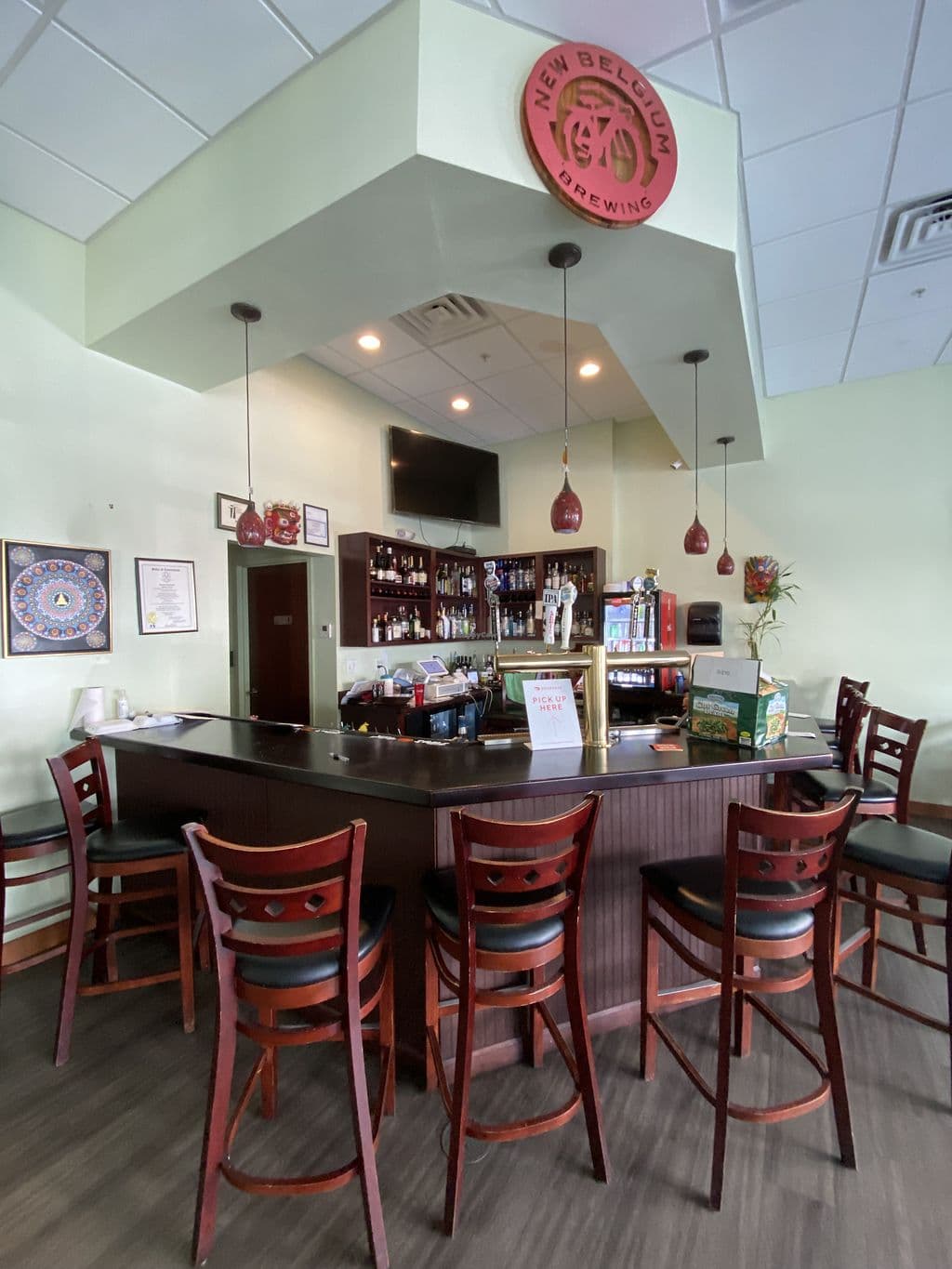
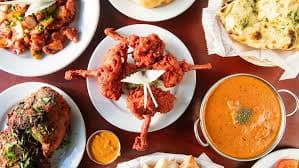
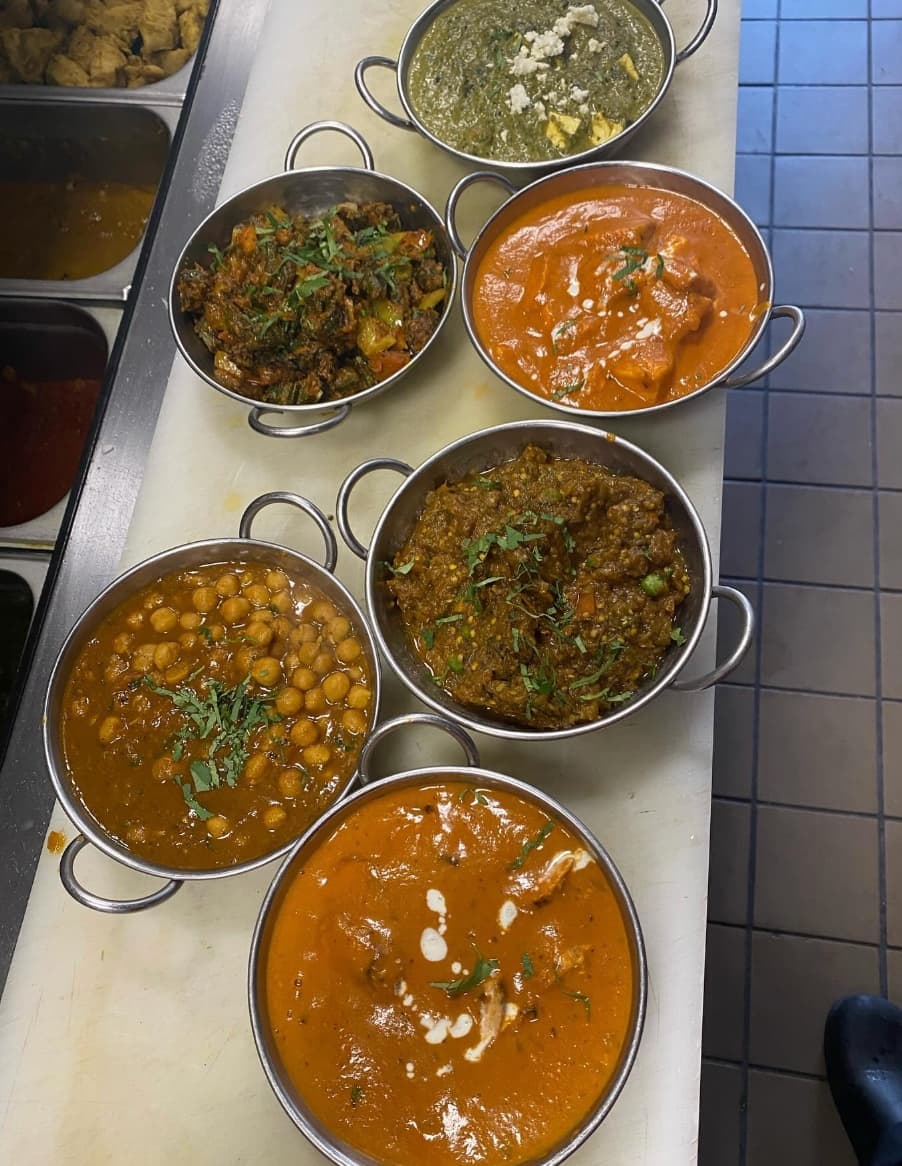
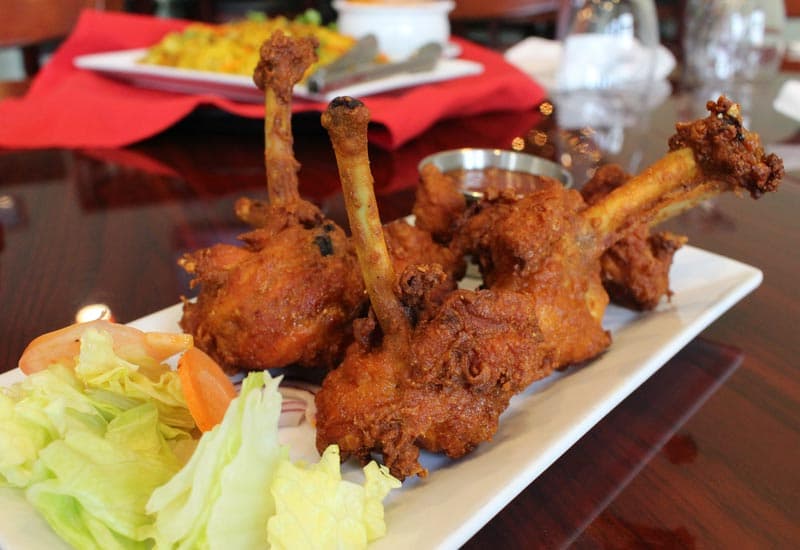
Take a visual journey through our restaurant and dishes
What Our Guests Say
Real 5-star reviews from our Google customers
Excellent experience dining in. I had the Chicken Tikka Tandoori. High quality halal meat. Came out on a sizzling iron platter nice touch. Great flavors and great portion. The naan was also excellent. Looking forward to trying other dishes in the future.
“Highly recommend this place. I went there once when I was visiting the university and I've had to visit every single time I go to Connecticut now.”
“I have been to this restaurant 2 times and it has always been great. Their gluten free options make my heart smile. I felt loved at home.”
“Amazing food and portions for a fair price. Taste is on point, service is great and would come here again, 10/10 if you haven't been here give it a try.”
“Best Chicken Tandoori in town, easily one of the top 3 restaurants in Storrs, maybe the best overall. If you like Indian food you'll LOVE this place. Staff is friendly, especially the owner who is also the man making the magic happen…”
“I was there in 2019 when I was touring colleges in America (MA, CT and NYC/Jersey). This was probably my favorite meal of the trip! If you're in the area I really recommend a visit.”
Catering
Bring Kathmandu to your event
From intimate gatherings to large celebrations, we offer full-tray and half-tray options across our full menu — appetizers, curries, biryanis, and more. All Goat, Lamb, and Chicken is Halal.
Half Tray serves 8–10 · Full Tray serves 16–20
Appetizers
Half Tray = 8–10 servings · Full Tray = 16–20 servings
Signature Curries & Entrees
Royal Biryani
Sides & Add-ons
All Goat, Lamb, and Chicken is Halal · To place a catering order, call (860) 477-1148 or email [email protected] · Planning a full event? See Private Events
Private Events
Host your next event with us
Kathmandu Kitchen hosts private parties, cultural celebrations, and student organization functions for the UConn and Storrs community. Every event starts with a conversation about your group, date, and goals.
Book Your Private Event
Tell us your date and guest count
What We Host
Student Organization Events
Space and menu planning for UConn student organizations hosting a meeting, mixer, or celebration.
Birthday & Celebration Parties
A sit-down Nepali and Indian dinner setting for birthdays and milestone celebrations.
Cultural & Community Events
Flexible setup for cultural gatherings and community functions in the Storrs and Windham County area.
Private Dining for Groups
A private setting for groups who want the full menu experience without a public dining room.
How Events Are Booked
Events are booked through a written agreement covering the date, time, and staffing for your group. We confirm the menu, any dietary notes, and final details ahead of the event so there are no surprises on the day. Reach out with your date and guest count to start the conversation.
Good Fits
- Student organizations planning a fall or spring semester event
- Groups looking for an authentic dinner setting for a celebration
- Organizations that have hosted with us before and want to rebook
Also planning food for your event? See Catering or call (860) 477-1148
Reservations
Book your table today
Reservation Hours
Mon–Thu: 11 AM – 10:00 PM
Fri–Sun: 11 AM – 10:30 PM
Takeout only after 9:00 PM
Group Reservations
Parties of 8 or more please call ahead so we can prepare the right table for you. For a private setting, see Private Events.
Call Us to Reserve
Walk-ins welcome based on availability · For Dum Biryani, 24-hour advance notice required
Visit Us
Hours
Takeout only after 9:00 PM
- Monday
- 11:00 AM – 10:00 PM
- Tuesday
- 11:00 AM – 10:00 PM
- Wednesday
- 11:00 AM – 10:00 PM
- Thursday
- 11:00 AM – 10:00 PM
- Friday
- 11:00 AM – 10:30 PM
- Saturday
- 11:00 AM – 10:30 PM
- Sunday
- 11:00 AM – 10:30 PM
Location & Contact
33 Wilbur Cross Way, Unit #103
Storrs, CT 06268
Contact
Get in touch
For reservations, large group bookings, catering inquiries, or any questions about our menu — we’re happy to help. Call us directly or send a message and we’ll get back to you promptly.
Careers
Work at Kathmandu Kitchen
We’re always glad to hear from people interested in kitchen and front-of-house work at a busy Nepali and Indian restaurant. Send your resume and let us know what role you’re interested in, and we’ll follow up if there’s a fit.
The Land Behind
the Food
The Kirat Age
Nepal's first recorded rulers were the Kiratas — a mountain people of Mongolian descent whose kings appear in India's ancient epics. The Mahabharata names Yalambar, their legendary king, as a warrior who journeyed to the battlefield of Kurukshetra. Around 563 BC, in the lowland sacred grove of Lumbini, a prince named Siddhartha Gautama was born to the Shakya clan; he would become the Buddha, and his birthplace remains one of the holiest sites on earth. The Kiratas cultivated millet, buckwheat, and wild barley on terraced slopes cut into the Himalayan foothills, and their fermented grain drinks — ancestors of the tongba and chyang still brewed in the hills — warmed mountain communities through bitter winters. This was Nepal before its name: a high-valley world of seasonal markets, forest spirits, and harvest feasts that set the communal table for everything that followed.
The Licchavi Golden Age
The Licchavi dynasty transformed the Kathmandu Valley into one of the most cosmopolitan crossroads in Asia. Positioned on the only viable mountain trade route between the Gangetic plains and the Tibetan plateau, Nepal grew rich on tariffs from silk, salt, spices, dyes, and copper. King Amsuvarman (605–621 AD) sent his daughter Bhrikuti north as a wife to the Tibetan emperor Songtsen Gampo — a union credited with carrying Buddhism into Tibet and cementing a cultural bond that still flavors Nepal's highland cooking. The Licchavis built Pashupatinath and the Changu Narayan temple, and a network of stone water spouts (dhunge dharas) that still flow in Patan today. Merchants from India brought cumin, coriander, turmeric, and long pepper into valley markets; from Tibet came butter, dried yak meat, and mineral salt. The Licchavi kitchen was the first to marry these two worlds — the aromatic heat of the south with the fat-and-salt richness of the north — a balance that defines Nepali cooking to this day.
The Malla Dynasty
The Mallas rose to power around 1200 AD and presided over the Kathmandu Valley for nearly six centuries. King Jayasthiti Malla (r. 1382–1395) was among the most consequential rulers Nepal has ever produced: he standardized weights and measures, codified civil law, and reformed the social order in ways that governed daily life — including the rituals of eating — for generations. It was also during the Malla period that the Nepali architect Arniko (1245–1306) was dispatched to the court of Kublai Khan, where he introduced the pagoda form to China and became the Yuan emperor's chief engineer; the tiered roofs of Beijing's White Pagoda still carry the fingerprints of a Newari craftsman. Newari food culture reached its definitive form under the Mallas: the samaybaji feast — a ceremonial spread of beaten rice, lentil patties, spiced buff meat, eggs, dried fish, ginger, and chili — was codified as the ritual meal of gods and community alike, served at festivals that drew the entire valley into collective celebration.
The Three Rival Cities
When King Yaksha Malla divided his kingdom among his sons in 1482, it created three proud rival city-states — Kathmandu (Kantipur), Patan (Lalitpur), and Bhaktapur (Bhadgaon) — and ignited a three-century arms race of culture. Each city tried to outshine the others with taller pagodas, finer woodcarvings, and more spectacular festivals; the Durbar Squares that resulted are now UNESCO World Heritage Sites. Each kingdom also developed its own culinary specialties as a marker of civic pride: Bhaktapur became famous for its juju dhau (king's yogurt), still set in clay pots from a centuries-old recipe; Patan for its spiced mustard achar and elaborate metalwork cooking vessels; Kathmandu for the street-food bazaar culture around Asan Tole that persists today. When the Mughal Empire fragmented to the south and the spice trade shifted, Nepali merchants stepped into the gap, and valley markets filled with cardamom, nutmeg, saffron, and the native Himalayan timur pepper — a citrusy, numbing spice unique to these hills and still central to our kitchen.
Prithvi Narayan Shah & Unification
On the night of the Indra Jatra festival in September 1768 — while Kathmandu's population was absorbed in celebration — the Gorkha king Prithvi Narayan Shah marched into the valley and declared himself king of a unified Nepal. Over the following decade, his armies absorbed over sixty petty principalities, forging a nation stretching from Sikkim to beyond the Sutlej River. Prithvi Narayan famously described his landlocked realm as "a yam between two boulders," squeezed between an expanding British Empire and Qing China, and built his foreign policy around fierce, pragmatic independence. The Anglo-Nepalese War of 1814–1816 ended with the Treaty of Sugauli, shrinking Nepal's borders but — crucially — preserving its sovereignty; Nepal became one of the very few South Asian nations never colonized by a European power. That intact sovereignty sealed the country from outside influence for generations, which meant Nepali food culture evolved in near-total isolation, growing deeper and more itself rather than being diluted or replaced.
The Rana Oligarchy
In 1846, the wily general Jung Bahadur Rana orchestrated the Kot Massacre — eliminating his rivals in a single bloody night in the palace courtyard — and installed himself as Prime Minister for life, a title that would pass hereditarily through the Rana family for a century. The Shah kings were kept as figureheads while Ranas ran Nepal as a private estate, maintaining strict isolation from the outside world. Within the neo-baroque Rana palaces — modeled on Versailles, stuffed with chandeliers and tiger trophies — an elaborate court cuisine took shape: multi-course banquets blending Newari traditions with Mughal-inflected Indian cooking and even some European dishes introduced after Jung Bahadur's 1850 visit to Queen Victoria's England. Outside those gilded walls, village Nepal was entirely unchanged: the same clay hearths, the same stone grinding wheels, the same slow-simmered dals that had fed these hills for centuries. A catastrophic 8.3-magnitude earthquake in 1934 killed 17,000 people and shattered medieval temples; Nepal endured, sealed like a living time capsule, until the monarchy's own isolation could no longer hold.
Everest & the Opening of Nepal
King Tribhuvan's dramatic flight to the Indian Embassy in November 1950 — breaking a century of Rana rule in a single act of defiance — set Nepal's rapid entry into the modern world in motion. On May 29, 1953, Tenzing Norgay Sherpa from the Khumbu valley and Sir Edmund Hillary of New Zealand stood on the summit of Mount Everest, placing Nepal on the front page of every newspaper on earth. The trekking industry that grew through the 1960s and 70s sent tens of thousands of Western travellers through mountain villages, and Nepali hospitality became a lived global experience. "Dal bhat power — 24 hour" entered the trekker's vocabulary: the lentil soup and steamed rice that refueled climbers at altitude was the same meal eaten twice daily by every Nepali family at every elevation. Jimmy Carter, Heinrich Harrer, and Peter Matthiessen all passed through Kathmandu's Thamel district, which transformed from a quiet neighborhood into a crossroads of the world's cultures — and its food stalls served the same momo and chiya that grandmothers made at home.
Revolution, Civil War & the Republic
Nepal's transition to democracy was neither smooth nor swift. The People's Movement of 1990 (Jana Andolan I) forced King Birendra to accept a constitutional monarchy, but political instability followed — fourteen governments in a decade. In 1996, Maoist guerrillas launched a "People's War" in the rural hills that drew Nepal into a decade-long armed conflict claiming 17,000 lives. Then, on the night of June 1, 2001, the country was convulsed by the royal massacre: Crown Prince Dipendra shot dead King Birendra and eight other royal family members before turning the gun on himself. The People's Movement of 2006 — Jana Andolan II — finally forced King Gyanendra from power, and on May 28, 2008, the Constituent Assembly voted to abolish the 240-year-old monarchy entirely. Through all of this turbulence, Nepal's diaspora accelerated sharply: communities formed across the United States, the UK, Australia, and the Gulf states, carrying with them mustard seeds, packets of timur, and the handwritten recipes for momo that grandmothers had pressed into memory before the journey. These communities — including the family behind Kathmandu Kitchen — became the first ambassadors of a food culture too alive to be contained by any mountain range.
A Living, Global Culture
The Federal Democratic Republic of Nepal, born in 2008, is one of the most geographically and culturally extraordinary nations on earth: 30 million people, 125 ethnic groups, 123 living languages, spread across ecosystems ranging from subtropical jungle to the permanent glaciers of the Himalayas. The 2015 Gorkha earthquake — 7.8 magnitude, nearly 9,000 lives lost, hundreds of ancient temples shattered in seconds — tested the republic's resilience, and Nepal rebuilt as it has always rebuilt, community by community. Meanwhile, Nepali food has quietly gone global: momo have become a street-food phenomenon from New York to Seoul; dal bhat has been recognized by nutritionists as one of the world's most complete and balanced meals; Himalayan timur pepper and handmade sel roti have found their way onto menus far from the valley. The journey from Licchavi spice traders to a restaurant in Storrs, Connecticut is not a straight line — it is a 3,000-year spiral of adaptation, hospitality, and flavor. At Kathmandu Kitchen & Bar, every dish is one more turn of that spiral: the same spices, the same techniques, the same warmth that has fed these mountains since before memory.
“Every dish at Kathmandu Kitchen & Bar is a small piece of this living history — made with the same spices, techniques, and love passed down through generations.”